Interventional Radiology
2 dakika okuma süresi
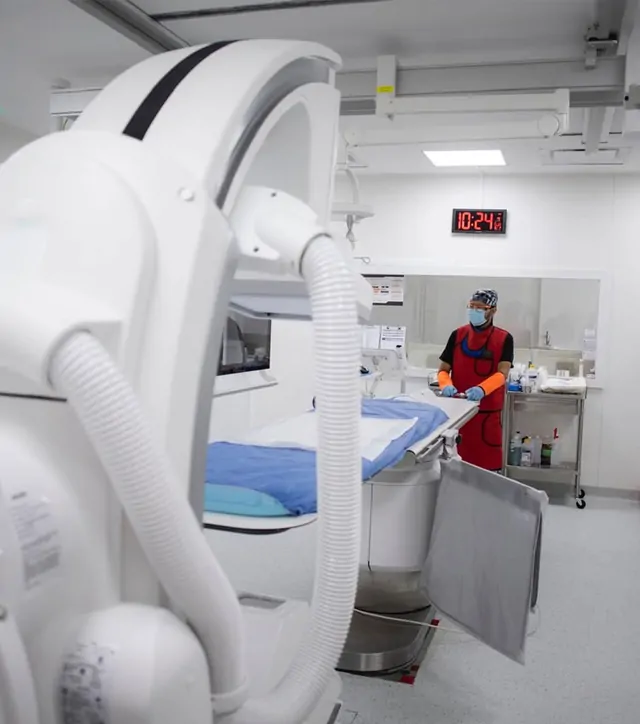
Interventional Radiology is a branch of medicine that is still relatively unknown to the public. When we think of radiology, we think of technological imaging methods like ultrasound, computed tomography, and magnetic resonance imaging, but what exactly does interventional radiology mean? It's still largely unknown. In short, Interventional Radiology encompasses the aforementioned technological imaging methods and angiography-guided non-surgical treatment procedures.
The rapid advancement of technology is bringing innovations to every field of medicine. For example, many conditions that once required surgery under anesthesia can now be easily performed by Interventional Radiologists without surgery. While varicose vein surgery used to require extended hospital stays and extended stays at home, today, thanks to advanced technology and knowledge, we can perform non-surgical treatment of varicose veins very quickly by using ultrasound-guided lasers to penetrate the diseased veins causing the varicose veins. Another example is chemoembolization, a non-surgical cancer treatment.
To treat a liver mass, we perform an angiogram in the groin, similar to a standard angiogram. We then access the artery, liver vein, and then the blood vessel that feeds the mass. Using a small catheter, we can deliver a large dose of chemotherapy directly to the mass without affecting other parts of the body. We then occlude the artery, leaving the cancer mass completely deprived of its nutrients. Our patient spends the day under hospital observation and resumes their normal life the next day.
One of the newest techniques in cancer treatment is radiofrequency ablation. In this modern treatment method, a needle is inserted into the cancer mass under imaging guidance. The heat burns away the cancer mass, along with a 1 cm layer of surrounding normal tissue. After the procedure, the patient remains under observation overnight and can resume their normal life the following day.
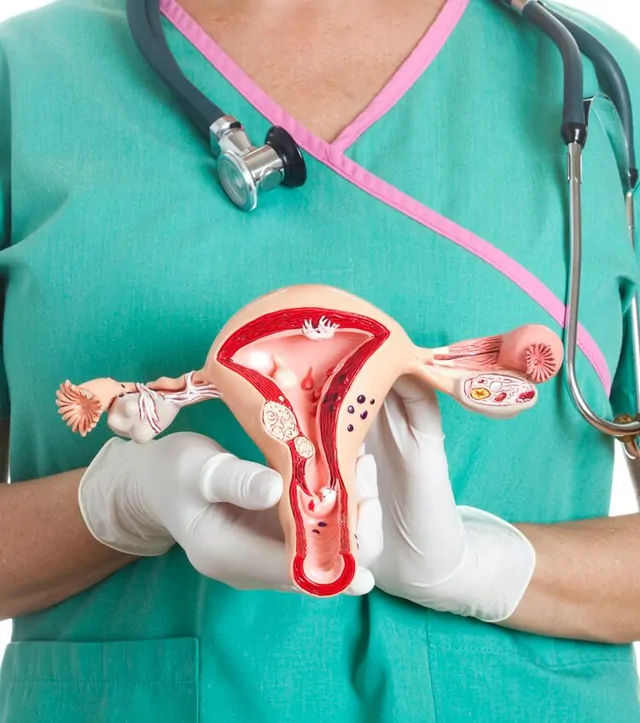
Furthermore, interventional radiology allows non-surgical treatment of benign tumors. These include non-surgical fibroadenoma treatment, non-surgical myoma treatment, and non-surgical thyroid nodule treatment.