Non-Surgical Varicose Vein Treatment
4 dakika okuma süresi
To treat varicose veins, a detailed Doppler ultrasound examination and vascular mapping must be performed by an interventional radiologist experienced in varicose veins. This will allow for a detailed identification of all damaged veins. Correct and rapid treatment is only possible this way.
Some centers only treat visible varicose veins. This often results in incomplete treatment, and recurrences can occur quickly.
Surgery or sclerotherapy for only visible varicose veins does not provide complete relief because it addresses the cause, not the cause, and varicose veins often recur early. Before treating varicose veins, the damaged valves, which are the source of the pressure that causes them, must be closed to eliminate backflow and pressure effects.
The most important point to emphasize here is that non-surgical treatment can be applied to all types of varicose veins. Some physicians may advise their patients, "Laser ablation is not for you; you absolutely must undergo surgery." This is actually quite a misconception; varicose veins of all sizes can be successfully treated without surgery.
This misinformation is outdated, dating back to the early 2000s, when laser ablation and RF ablation were first used. In our article published in JVIR (Journal of Vascular and Interventional Radiology), the world's most prestigious Interventional Radiology journal, we shared our experience with very advanced cases regarding the successful use of laser ablation for the treatment of very large saphenous veins.
You can access the original English abstract of our article, "Efficacy and Safety of Endovenous Laser Ablation in Very Large and Tortuous Large Saphenous Veins," at this link. In short, in this article, we reported that endovenous laser ablation is a 98% successful treatment for patients with very large saphenous vein varicose veins measuring between 15 and 26 mm in diameter.
Why do we not recommend varicose vein surgery? The veins that cause large varicose veins have been treated surgically for approximately 100 years. Surgical treatment involves ligation and stripping of the saphenous vein (the large vein in the leg). This involves removing the damaged vein from its location, from the groin to below the knee. All connecting veins are also severed.
Recovery and discharge from the hospital after varicose vein surgery are also delayed. Some patients require days in the hospital and then weeks of recovery at home.
Furthermore, due to the need for general anesthesia, the risk of venous clots and nerve damage in up to 5% of cases, the delay in returning to normal life, and the recurrence of varicose veins in approximately half of patients after surgery, both patients and doctors discouraged surgery except in exceptional cases.
Patients, fearful of surgery due to negative impressions they'd received from those who had undergone it, often opted to wear compression stockings for life or take medications that, while not curative, offer some relief to some patients. All these reasons are driving vascular surgeons today to adopt non-surgical treatment techniques. Unfortunately, in our country, surgeons who can perform detailed Doppler examinations of varicose veins, diagnose damaged veins, and plan their own treatment are very few.
Modern Treatment of Varicose Veins (Laser Ablation/RF Ablation)
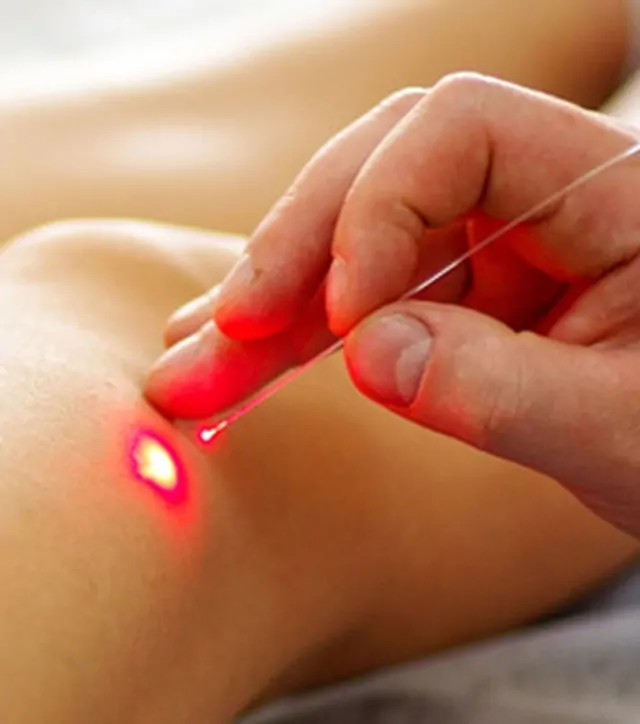
The first application of endovenous laser ablation (or "Laser Ablation" performed inside the vein) revolutionized the treatment of large varicose veins in the early 2000s. Robert Min, an interventional radiologist, and his team first treated a damaged valve in the Greater Saphenous Vein with Endovenous Laser Ablation (EVLA) in 2002.
This method involves angiography, a procedure similar to an angiogram, and laser energy is used to close the damaged vein from within, rather than surgically removing it. The laser-sealed vein no longer creates a pressure leak inside the varicose vein; the occluded vein is then absorbed by the body over time. When the saphenous vein is cauterized and closed, visible varicose veins shrink and disappear.
So, which vein replaces the saphenous vein's function when it's destroyed?
Once the diseased vein is removed, other healthy veins take over, providing venous circulation to the leg. Remember, our bodies have tens of thousands of kilometers of veins, and this treatment only destroys a maximum of 40-50 cm of vein. Because non-surgical treatment helps the body repair itself without causing any damage, side effects are minimal.
Ultrasound-guided foam sclerotherapy is also used as a complement to Endovenous Laser Ablation for patients with very advanced varicose veins.