PICC Catheter Placement
3 dakika okuma süresi
PICC (PiC) Catheter Placement:
A PICC (PiC) catheter is a very easy method, especially for patients who have difficulty finding vascular access. Trying to blindly insert small veins in patients with vascular access difficulties is a common practice for both healthcare professionals and patients.
While PICC (PiC) catheters are frequently used in such situations in developed countries like the United States, they are unfortunately little known in our country. Maltepe University Faculty of Medicine, after receiving approval from a team from Canada, has been awarded a "Center of Excellence" certificate and designated a center capable of training physicians in PICC catheter placement.
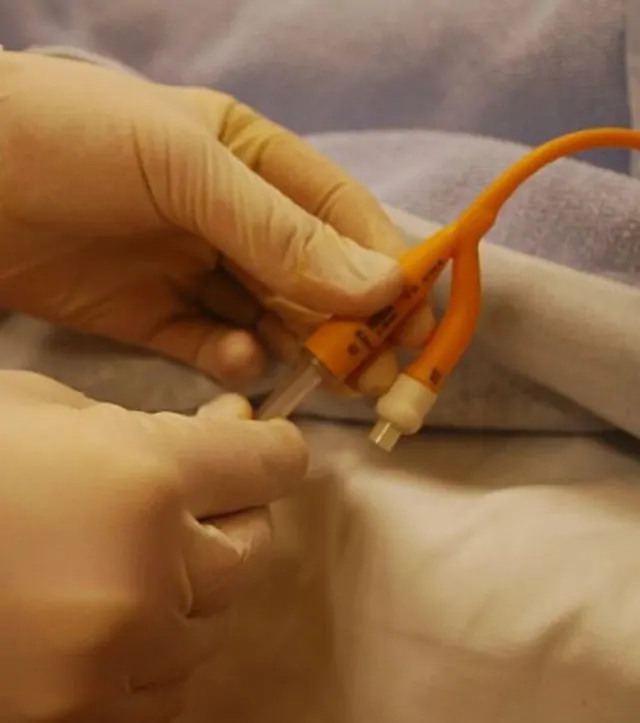
A PICC (PiC) catheter is inserted into every patient worldwide who will stay longer than three days in the hospital, and patients do not experience any problems with vascular access. The catheter is essentially a vascular access, except that it is painlessly inserted into a larger vein in the upper arm under ultrasound guidance, and its tip is advanced to the larger veins.
This prevents many medications administered intravenously from damaging the veins. For example, some antibiotics administered intravenously will damage a vein if administered through a vein in the forearm or hand; this is actually malpractice. Drugs that can damage a vein, called irritants or vesicants, must be administered into a large, central vein so that they can mix with the blood before damaging the vein.
The PICC catheter is currently used most frequently in oncology patients in our country. In fact, its use should be much greater in both oncology and non-oncology patients, but currently, due to the lack of social security coverage, the public is not widely able to benefit from this catheter.
While it can be preferred over a PORT catheter, a PICC catheter should definitely be placed in oncology patients who do not have a PORT catheter. Many chemotherapy drugs are irritants and vesicants, and if administered through small veins, they can severely damage the veins into which they are administered.
Although conscientious oncologists recommend this catheter from the outset, some oncologists request it be placed after the patient's veins have been damaged, especially when nurses are having difficulty finding a vein. This may be due to the patient's financial situation. However, this decision should always be left to the patient.
My advice to you: If you are an oncology patient and have not had a PORT, definitely have a PICC catheter inserted to prevent further damage to your veins.