Breast Cancer Treatment with Cryoablation
4 dakika okuma süresi

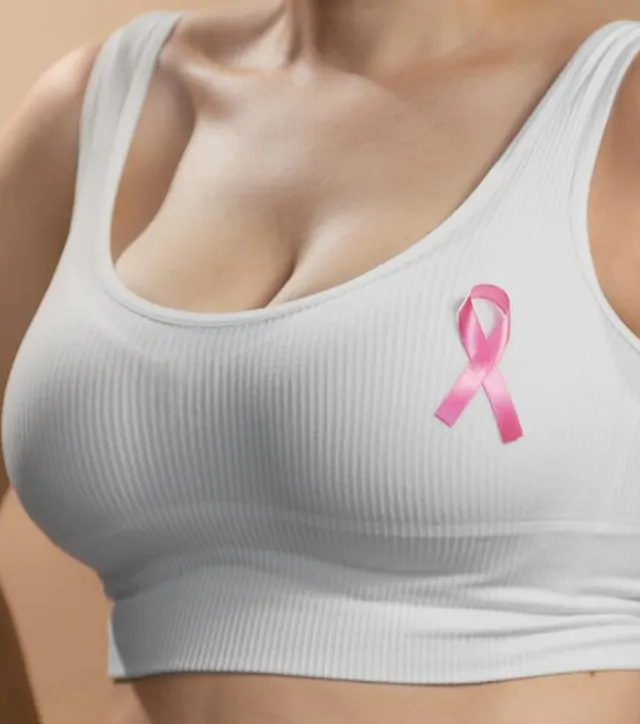
Breast cancer treatment with cryoablation destroys the tumour by freezing it through a thin probe placed under imaging guidance, instead of removing it surgically. The procedure is performed through the skin under local anaesthesia, with no surgical incision. This page explains how it is performed, who may be considered for it, and where the scientific evidence currently stands.
How Cryoablation Is Performed
A thin cryoprobe is advanced into the tumour under ultrasound guidance. Rapid gas expansion at the probe tip creates very low temperatures and an "ice ball" that encloses the tumour. Repeated freeze-thaw cycles rupture cell membranes and destroy the targeted tissue. Because the ice ball is visible on ultrasound, the treated area can be monitored during the procedure.
- Usually performed under local anaesthesia; general anaesthesia is not required in most cases.
- No surgical incision; the probe entry site is only a few millimetres.
- Freezing itself has a numbing effect, so discomfort during treatment is limited.
- Treatment time depends on tumour size and is typically around one hour.
Who May Be Considered?
Cryoablation is not a standard replacement for surgery in breast cancer. It is currently considered mainly for:
- small, single-focus tumours with clearly defined margins on imaging;
- patients at high surgical or anaesthetic risk because of other medical conditions;
- elderly patients or those whose general condition is not suitable for surgery;
- selected, fully informed patients who decline surgery;
- palliative situations in advanced disease.
Multicentric disease, extensive intraductal spread and tumours with unclear margins on imaging are not considered suitable for this method.
Current Evidence
Cryoablation in breast cancer continues to be investigated in international studies. High rates of tumour destruction have been reported in small tumours, but long-term disease-free survival data are not as mature as for surgery. For this reason the method should be planned:
- on an individual basis through multidisciplinary (tumour board) assessment;
- after all alternatives, surgery first among them, have been explained;
- together with drug and radiation therapy where these are indicated.
No ablation technique should be presented as covering the whole of breast cancer treatment on its own.
The Procedure Step by Step
- Before: breast ultrasound, mammography and, where needed, breast MRI define tumour size and extent; diagnosis is confirmed by needle biopsy.
- During: the skin is numbed, the probe is placed into the tumour under imaging guidance, and freeze-thaw cycles are applied.
- After: same-day discharge is usually possible. Swelling, bruising and tenderness may last a few days.
- Follow-up: response is monitored with imaging and the oncological treatment plan continues.
Advantages and Limitations
Advantages: no incision or general anaesthesia, preservation of breast shape, short procedure time, rapid return to daily life, and feasibility in patients at high surgical risk.
Limitations: because the tumour is not removed, full pathological examination is not possible; long-term data are less robust than for surgery; the method is not suitable for every tumour type or size; and axillary lymph nodes require separate assessment.
Frequently Asked Questions
Does cryoablation replace surgery in breast cancer?
Generally no. Surgery remains the standard treatment. Cryoablation is an option for selected patients after multidisciplinary assessment.
Is the procedure painful?
Significant pain is not expected because of local anaesthesia and the numbing effect of cold. Tenderness afterwards is usually controlled with simple painkillers.
Will there be a scar or change in breast shape?
No surgical incision is made, so a visible scar is not expected. A firmness that shrinks over time may be felt in the treated area.
Will I still need chemotherapy or radiotherapy?
Possibly. Cryoablation targets the tumour only; additional treatments may be planned according to the stage and biology of the disease.
How is complete tumour destruction confirmed?
It is assessed with follow-up imaging and, where required, needle biopsy. The follow-up programme is tailored to the patient.
Consultation
Whether cryoablation is suitable for you depends on the size, type and extent of the tumour together with your general health. You are welcome to get in touch with your pathology and imaging reports for an assessment.