Pain Treatments (Algology Applications)
3 dakika okuma süresi
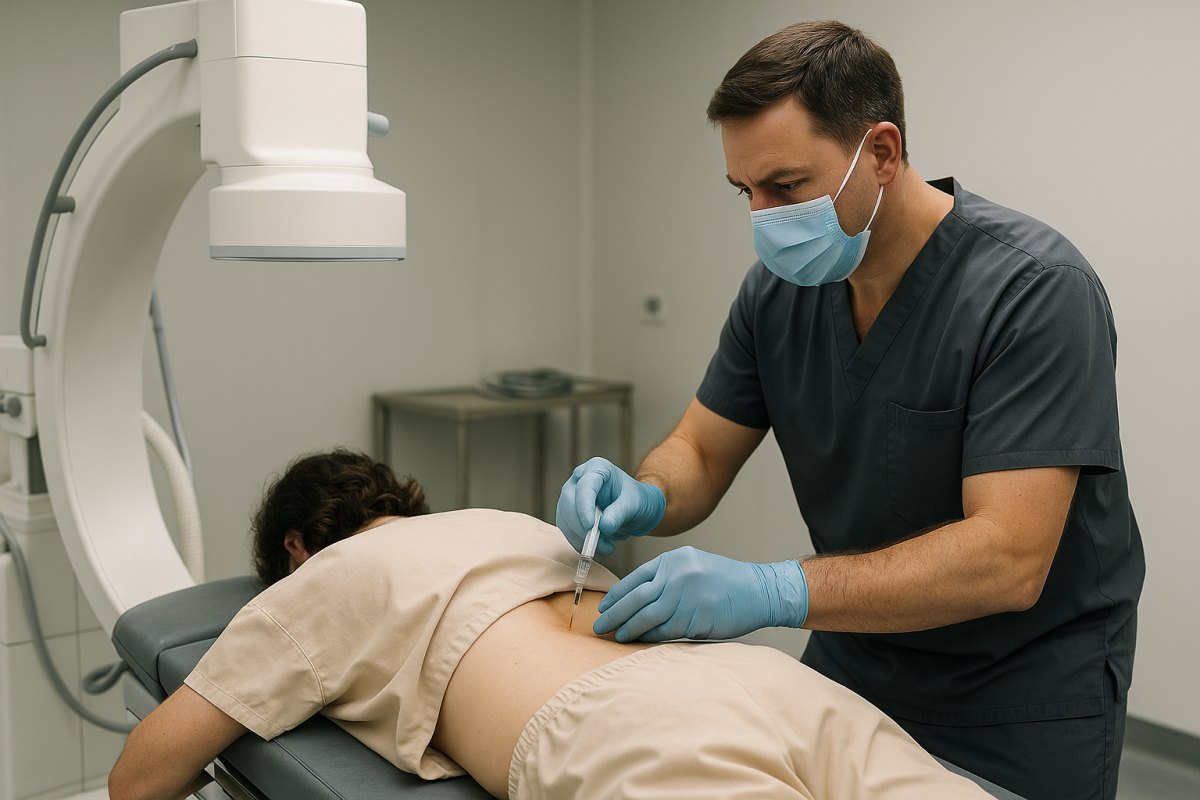
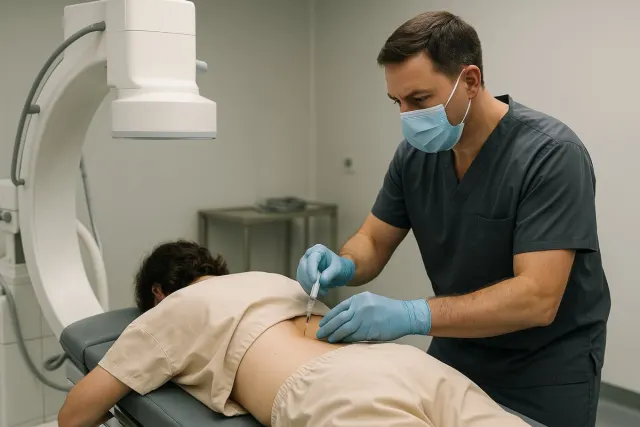
Pain treatments (algology applications) target the source of chronic pain directly, under imaging guidance, when medication alone does not provide sufficient control. Procedures are performed through the skin with a needle; no surgical incision is required. The aim is to reduce pain and restore mobility and quality of life.
Which Pain Conditions?
- Pain radiating to the leg or arm from lumbar and cervical disc herniation
- Facet joint and degenerative low back pain
- Knee, hip and shoulder joint pain (osteoarthritis, tendon disorders)
- Persistent regional pain after surgery
- Cancer pain not controlled by medication
- Pain from vertebral compression fractures
Main Methods
Image-Guided Injections
Medication is delivered into the affected joint, nerve root or soft tissue under ultrasound or fluoroscopy. Confirming needle position with imaging improves accuracy and effectiveness.
Nerve Blocks
Local anaesthetic, sometimes with additional agents, is placed around the nerve carrying the pain signal. Nerve blocks are used both to treat pain and to identify its source.
Radiofrequency Procedures
Controlled radiofrequency energy applied to pain-conducting nerve endings aims to reduce transmission for a longer period, most often in facet joint low back pain.
Vertebroplasty and Cementoplasty
In vertebral compression fractures, bone cement is injected into the fractured vertebra to support it and reduce pain.
Intradiscal Procedures
In disc herniation, radiofrequency, laser or ozone applications aim to reduce the volume of the herniated disc.
The Procedure
- Before: examination and imaging (MRI, CT, ultrasound) identify the pain source; blood thinners are reviewed.
- During: the skin is numbed and the needle is guided to the target. Most procedures take 15-45 minutes.
- After: same-day discharge is usual; local tenderness may last a few days.
- Follow-up: response is assessed within days to weeks and the procedure repeated if appropriate.
Setting Realistic Expectations
Interventional pain procedures do not always remove the underlying structural problem. By reducing pain they make rehabilitation, exercise and physiotherapy possible, which is where lasting improvement comes from. Response varies between individuals and some patients need repeat treatment.
Frequently Asked Questions
Are these procedures painful?
Significant pain is not expected because the skin is numbed with local anaesthesia. Pressure may be felt during the procedure and tenderness afterwards is usually short-lived.
How long does the effect last?
It depends on the method and the cause of pain. Some injections give relief for weeks, while radiofrequency procedures are reported to provide longer-lasting improvement.
Are steroids used?
Corticosteroids may be used in some injections to reduce inflammation. Dose and frequency are planned carefully to limit side effects; diabetes and similar conditions are reviewed beforehand.
Can I avoid surgery?
Some patients avoid or postpone surgery. However, progressive muscle weakness or loss of bladder and bowel control makes surgery the priority option.
When can I return to work?
Most patients resume daily activities the next day. Follow your doctor's advice regarding heavy lifting and strenuous activity.
Consultation
To find out whether an interventional option is suitable for your chronic pain, you are welcome to get in touch with your MRI and imaging reports.