Prostate Hypertrophy Treatment
4 dakika okuma süresi
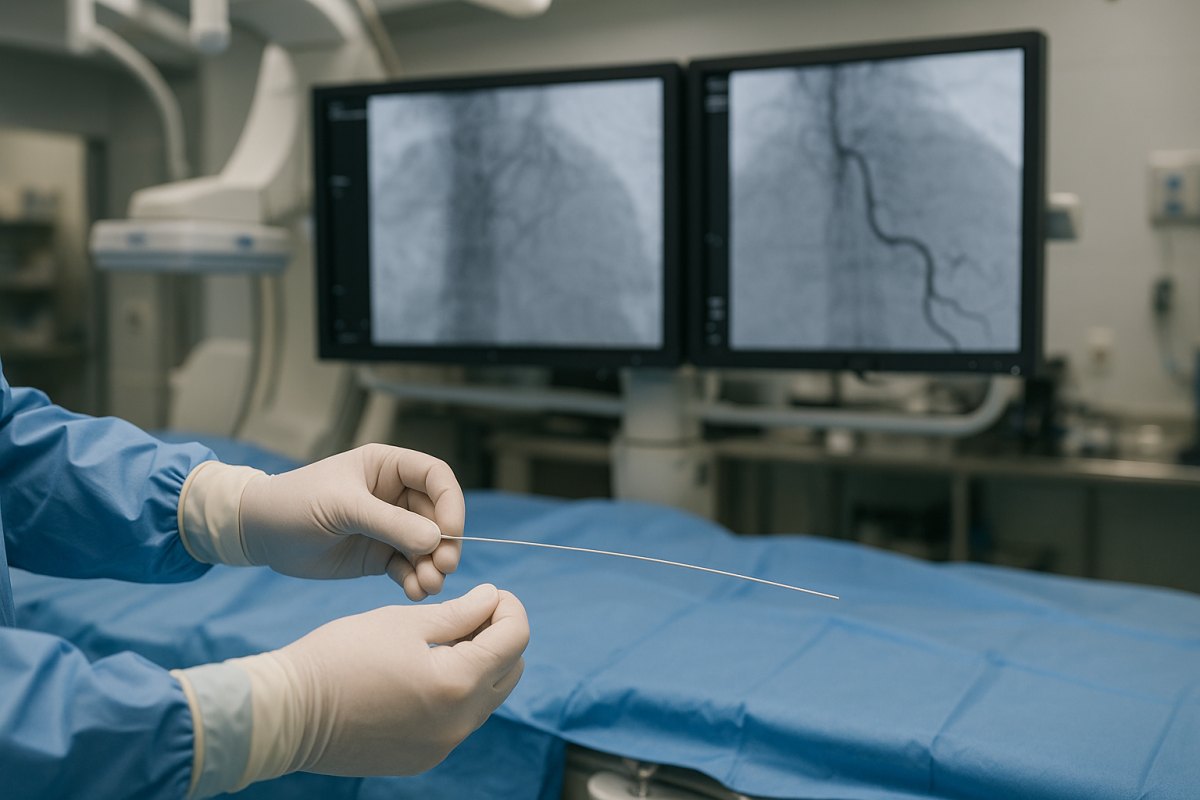
Prostate hypertrophy treatment without surgery is possible with prostate artery embolization (PAE), an interventional radiology procedure. A catheter is guided into the arteries feeding the prostate and their flow is reduced; the gland shrinks over the following months and urinary symptoms improve. No surgical incision is made and general anaesthesia is not required in most patients.
What Is Benign Prostatic Hyperplasia?
Benign prostatic hyperplasia (BPH) is age-related enlargement of the prostate that narrows the urinary passage. It is not related to cancer, but it can markedly affect quality of life. Common complaints include:
- Frequent urination, particularly waking at night (nocturia)
- Difficulty starting, weak or interrupted stream
- A feeling that the bladder does not empty completely
- Sudden urgency and leakage
- In advanced cases, inability to pass urine (retention) and the need for a catheter
How Prostate Artery Embolization Is Performed
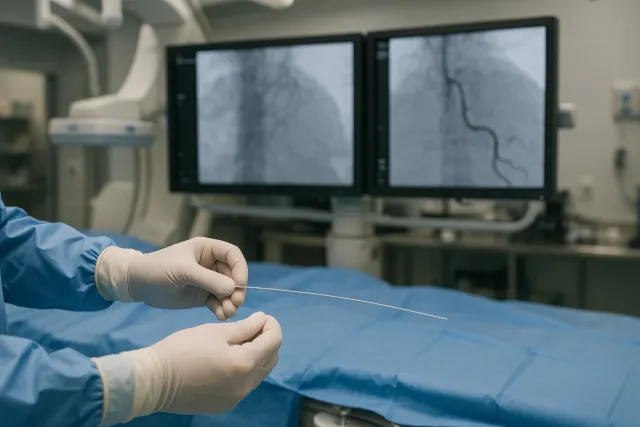
The procedure takes place in an angiography suite under imaging guidance. Through the wrist (radial) or groin (femoral), a fine catheter is advanced into the prostatic arteries and microscopic particles are delivered to reduce blood flow. Both sides are treated and the procedure usually takes one to two hours.
- Local anaesthesia, with light sedation when needed.
- No surgical incision and no instrument passed through the urethra.
- Most patients are discharged the same or the following day.
- Improvement usually begins within the first weeks and becomes clearer over months.
Who May Be Suitable?
- Moderate to severe symptoms not adequately controlled by medication
- Patients at high surgical or anaesthetic risk because of other conditions
- Patients on blood thinners for whom surgery carries added risk
- Patients who wish to avoid effects on ejaculation and sexual function
- Very large prostates unsuitable for standard endoscopic surgery
Advanced bladder dysfunction, suspicion of prostate cancer or unsuitable vascular anatomy shift the decision towards other treatments. The plan is made after urological assessment, PSA, flow studies and imaging.
Compared With Surgery
- Anaesthesia: PAE can be done under local anaesthesia; endoscopic surgery usually needs general or spinal anaesthesia.
- Sexual function: the risk of retrograde ejaculation after PAE is reported to be lower than after surgery.
- Recovery: return to daily life after PAE is usually within a few days.
- Speed of effect: surgery improves flow faster; with PAE, improvement develops over months.
- Tissue analysis: surgery provides tissue for pathological examination; PAE does not.
Risks
PAE is generally considered safe. As with any endovascular procedure there are risks: bruising at the access site, a temporary increase in urinary symptoms, urinary tract infection and, rarely, non-target embolization of the bladder or rectal wall. These risks depend on individual vascular anatomy and should be discussed in detail beforehand.
Frequently Asked Questions
Is prostate artery embolization surgery?
No. There is no surgical incision; the procedure is performed from inside the blood vessels with a catheter under imaging guidance, so it is classed as a non-surgical treatment.
Will I need a urinary catheter afterwards?
Usually not. In patients who already depend on a catheter because of retention, removing that catheter is one of the goals of treatment.
Does it affect sexual function?
Current data indicate that erectile function is preserved and that the risk of retrograde ejaculation is lower than with surgery. Individual assessment is still needed.
When will my symptoms improve?
Most patients notice relief within two to four weeks; the main improvement, linked to gland shrinkage, develops over three to six months.
Can the procedure be repeated?
If symptoms return over time and the vascular anatomy remains suitable, the procedure can be repeated or other options considered.
Consultation
To find out whether a non-surgical option suits your prostate symptoms, you are welcome to get in touch with your urology reports and imaging.