Screening and Mammography
3 dakika okuma süresi
Screening and mammography aim to detect breast cancer while it is still small and before it causes symptoms. When breast cancer is found at an early stage there are more treatment options, the treatments needed are usually less extensive, and outcomes are better.
What Is Mammography?
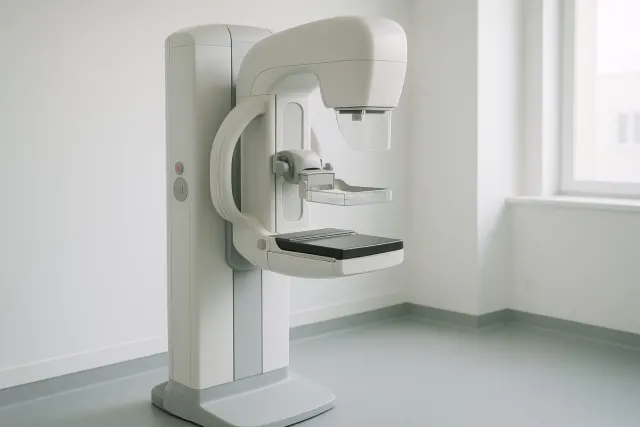
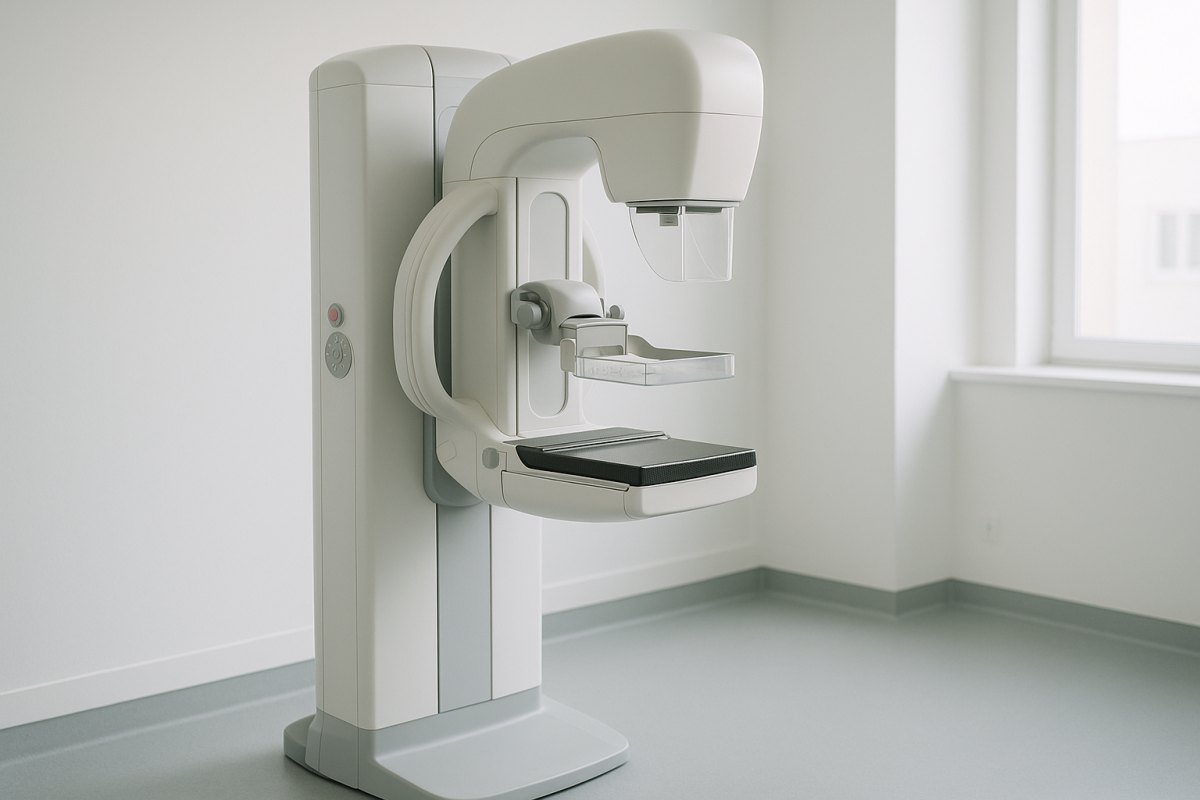
Mammography images breast tissue using low-dose X-rays. Its key strength is the ability to show masses too small to feel and microcalcifications, which can be an early sign of cancer. Digital mammography and tomosynthesis (3D mammography) are used today; tomosynthesis helps separate overlapping tissue.
Who Should Be Screened, and How Often?
- Average-risk women: regular screening is generally recommended from the age of 40.
- High-risk women: where there is early-onset cancer in the family, genetic predisposition or previous chest radiotherapy, screening may begin earlier and include MRI.
- Women with symptoms: a palpable lump, nipple discharge, skin retraction or redness should be assessed without delay at any age. This is diagnostic imaging rather than screening.
Mammography and Ultrasound: Which One?
These methods complement rather than replace each other. Mammography is superior at showing microcalcifications and forms the basis of screening programmes. Ultrasound is strong at distinguishing cysts from solid masses and at adding information in dense breast tissue. In women with dense breasts the two are often used together.
Concerns About Radiation
The dose used in mammography is low and has fallen further with advances in technology. In women of screening age, the benefit of early detection is accepted as clearly outweighing the theoretical risk of this low dose. Any possibility of pregnancy must be reported before the examination.
How the Examination Is Performed
- The breast is briefly compressed to improve image quality and reduce dose.
- At least two views are taken of each breast.
- The examination takes a few minutes; compression may be uncomfortable but lasting pain is not expected.
- Because breasts can be tender just before a period, the days after menstruation may be preferred.
Understanding Your Result
Mammography reports are concluded using the standard BI-RADS category system, which describes how suspicious a finding is and what should happen next.
Frequently Asked Questions
Is mammography painful?
Discomfort lasting a few seconds during compression is normal. Avoiding the days just before a period reduces this.
Do I need one every year?
Frequency depends on your age and risk level. Annual and two-yearly programmes are both in use for women at average risk.
I have implants, can I have a mammogram?
Yes. Special techniques (the Eklund technique) are used for breasts with implants. Always mention your implants before the examination.
My mammogram was normal, am I completely safe?
Mammography is valuable but no test is perfect, and some lesions can be missed in dense breasts. If you develop a new symptom, do not wait for the next scheduled screening.
I am breastfeeding, can I have a mammogram?
Ultrasound is preferred first while breastfeeding. Mammography can still be performed when needed, after assessment.
Consultation
To plan the screening that suits you or to review an existing report, you are welcome to get in touch.