Radiofrequency Ablation and Microwave Ablation Therapy in Cancer
2 min read
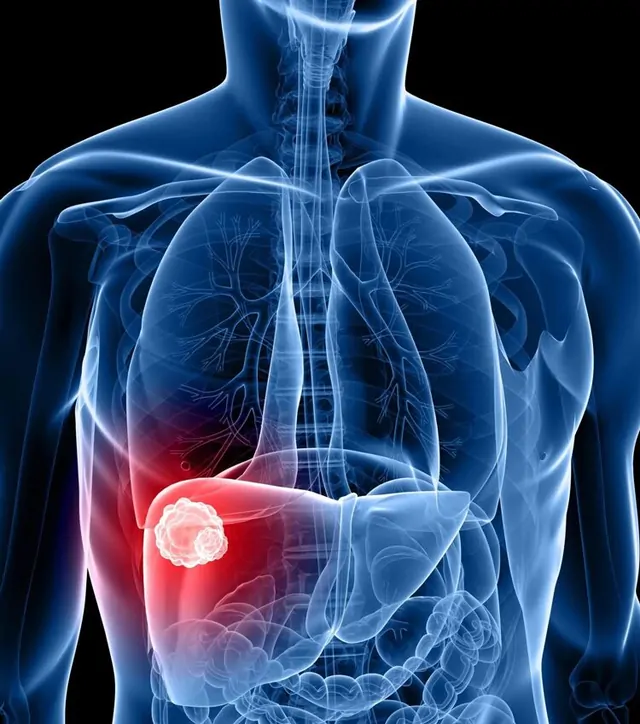
RF ablation can be used in many patients diagnosed with cancer. RF ablation is frequently used for liver metastases and liver cancers, and is particularly suitable for patients with cancer in solid organs such as the liver and kidney. RF ablation can also be successfully performed for lung, bone, or soft tissue cancers.
When performed by interventional oncologists, or interventional radiologists experienced in oncological treatments such as RF ablation, it is a relatively simple and risk-free procedure. Randomized controlled trials conducted with surgery have found its results to be equally effective as surgery. In the past, local treatments such as RF ablation were crucial in managing cancer in patients who could not undergo conventional surgery. Today, it has become an effective and safe method frequently preferred by oncologists for cancer patients who are eligible for surgery.
In RF ablation, a needle is placed in the center of the tumor, vaporizing it with heat. To ensure complete tumor destruction, the heat vaporization is applied to a large area, including approximately 1 cm beyond the tumor diameter. After a short observation period, the patient can return home on foot the next day.
RF ablation and microwave ablation are similar methods. RF ablation uses electric current, while microwave ablation uses radiofrequency energy. RF ablation is preferred for treating cancers smaller than 3 cm in diameter in the liver or other solid organs, while microwave ablation is preferred for masses larger than 3 cm. Chemoembolization (TACE) is also used in conjunction with one of these two heat-based methods, particularly for the treatment of very large or numerous cancer masses.
Protocols that combine both RF ablation and chemoembolization (TACE) treatments are called sandwich protocols. If this type of treatment is planned, it would be more appropriate to perform the chemoembolization treatment first.