The Relationship Between Cancer and Nutrition
2 min read
Nutrition is one of the most important environmental factors in the development and development of cancer. The foods we consume daily directly affect many processes, from cell regeneration to the functioning of our immune system. Scientific research shows that a healthy and balanced diet can reduce the risk of cancer. Conversely, overly processed foods, saturated fats, refined sugars, and low-fiber diets can cause cell damage and exacerbate inflammatory processes.
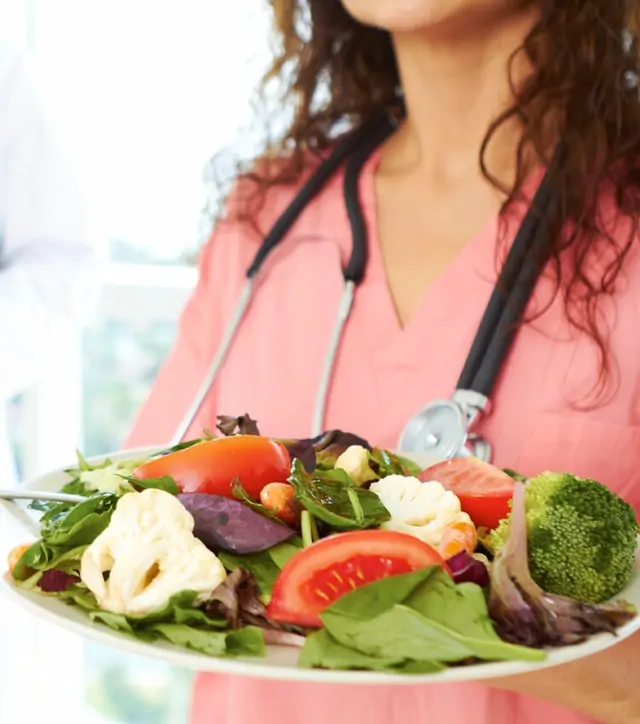
The most effective approach to cancer prevention is to maintain a natural diet. Colorful fruits and vegetables, whole grains, legumes, and healthy oils (especially monounsaturated oils like olive oil) are rich in antioxidants and phytochemicals. These compounds reduce cell damage caused by free radicals and help maintain DNA integrity. A plant-based diet also supports intestinal flora, contributing to the proper functioning of the immune system.
Balance is also important in meat consumption. Processed meats (such as salami, sausage, and sucuk) and red meat cooked at high temperatures have been linked to some types of cancer. Therefore, red meat consumption should be limited, and cooking methods (such as boiling, steaming, or baking) should be preferred as healthily as possible. White meat, fish, and plant-based protein sources (e.g., lentils, chickpeas, and beans) should be essential parts of a balanced diet.
Another important point in nutrition is controlling sugar and refined carbohydrate consumption. Excessive sugary foods can lead to insulin resistance and obesity, indirectly increasing the risk of cancer. Similarly, alcohol is known to be directly linked to cancers, especially liver, breast, and digestive system cancers. Therefore, avoiding alcohol consumption is one of the most important steps in a healthy life.
The role of nutrition in cancer prevention is not limited to reducing risk; proper nutrition during treatment also strengthens the patient's immune system, accelerates recovery, and improves quality of life. Individuals undergoing treatment may experience side effects such as loss of appetite, taste changes, or nausea. In these cases, creating a personalized nutrition plan supports the effectiveness of treatment.
In conclusion, nutrition is both a protective and supportive force in the fight against cancer. We invest in our health with every bite. Choosing natural, seasonal, and diverse foods over processed foods helps detoxify our bodies and strengthen our cells. Healthy eating isn't just a habit; it's our strongest long-term defense against cancer.