What are Varicose Veins? How do they occur?
3 min read
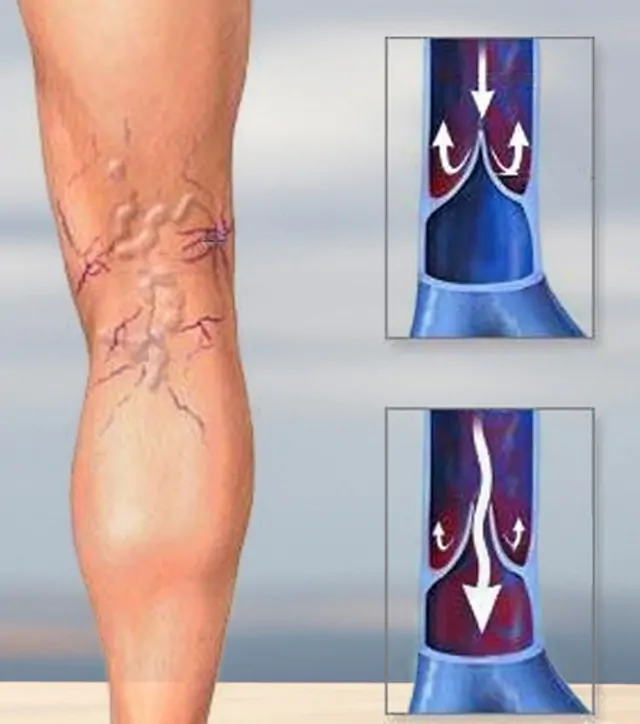
Varicose veins are enlarged veins located just beneath the skin, typically seen in the legs. Veins are vessels that carry deoxygenated blood in our legs, against the force of gravity, to the lungs. These veins have valves to ensure that the flow continues upward and prevents pooling downward.
As the leg muscles work, this deoxygenated blood, aided by the valves, flows unidirectionally toward the heart. However, when the veins dilate excessively, the valves become separated and cannot prevent blood from pooling downward. This back-and-forth movement of blood also damages the valves. When the valves are damaged, the downward pressure of gravity on the blood causes enlargement of the superficial veins, resulting in leg varicose veins.
Varicose veins are a significant public health problem. Their prevalence in our society ranges from 20% to 40%. If left untreated, progressive varicose veins can cause problems and scars that significantly reduce quality of life. Prolonged inactivity, genetic predisposition, and, especially in women, excess weight are risk factors for varicose veins.
Varicose veins cause leg pain that gradually worsens throughout the day, along with rapid fatigue and a feeling of heaviness in the legs. Patients may feel the urge to sit down and elevate their legs in the evening to relieve symptoms. These symptoms can occur even without visible varicose veins. If left untreated, they can progress and lead to clot formation. In more severe cases, varicose veins can cause skin discoloration and sores. 1% of adults over the age of 60 experience varicose veins. Itching, discoloration, and sores caused by varicose veins should be taken seriously, and varicose vein treatment should not be neglected. We strongly recommend that you seek treatment from an interventional radiology specialist experienced in varicose vein treatment using modern methods.
Damage to the valves in the veins and the presence of downward pressured blood flow (venous insufficiency) can cause varicose veins of varying sizes. While scientific articles offer different classifications, there are roughly three types of varicose veins.
1. Large varicose veins: These are varicose veins that bulge prominently above the skin and range in diameter from 4 to 15 mm.
2. Medium-sized varicose veins: These are green-colored varicose veins that bulge slightly from the skin and measure between 2 and 4 mm in diameter.
3. Capillary varicose veins: These are red-purple varicose veins that do not bulge from the skin and measure less than 1 to 2 mm in diameter.
All three types of varicose veins can be treated non-surgically using modern methods.