Which Treatment is Suitable for Which Thyroid Nodule?
3 min read
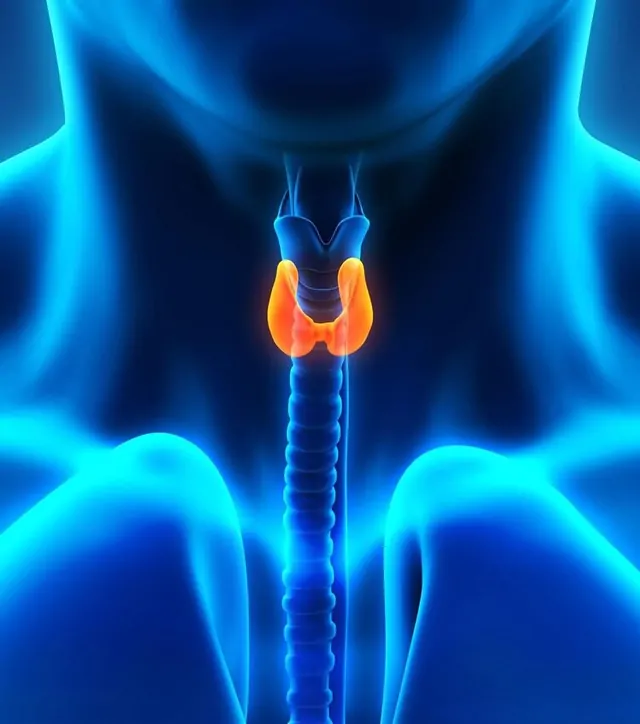
Thyroid nodules are small masses that form in the thyroid gland, located in the front of the neck. Not all nodules share the same characteristics; some are completely harmless and silent, while others can interfere with hormone production or enlarge and put pressure on surrounding tissues. Therefore, the treatment approach is determined by considering the nodule's type, size, structure, and its effects on the patient.
1. Benign and Small Nodules:
Nodules smaller than 1 cm and not suspected of being cancerous based on ultrasound findings generally do not require treatment. These nodules are generally monitored. The patient undergoes regular ultrasound checks to monitor for changes in the nodule's size or structure. If no growth or risky appearance occurs during this period, regular observation alone is sufficient.
2. Hormone-Active Nodules (Toxic Nodules):
Some nodules uncontrollably overproduce thyroid hormone. In this case, the patient may experience symptoms of hyperthyroidism such as palpitations, sweating, weight loss, and irritability. Treatment for these "hot" nodules generally involves medication to balance hormone production. In more advanced cases, radioactive iodine therapy or surgery may be preferred.
3. Suspicious or Malignant Nodules:
Surgery is the most effective treatment for nodules suspected of being cancerous or malignant (malignant) based on ultrasound and fine-needle biopsy results. In this case, the entire thyroid gland or a portion of it is usually removed. After surgery, the patient receives thyroid hormone replacement therapy, and if necessary, radioactive iodine therapy is used to remove any remaining cells.
4. Cystic or Fluid-Filled Nodules:
These nodules are generally benign and filled with fluid. If the cyst is not very large, it is usually monitored. However, if it causes pressure, pain, or aesthetic discomfort in the neck, ultrasound-guided drainage of the fluid may be performed. Minimally invasive methods such as ethanol ablation may also be applied for recurrent cysts.
5. Large and Compressive Nodules:
The benign nature of a nodule does not always mean that treatment is not necessary. If the nodule is pressing on surrounding tissues, causing shortness of breath, difficulty swallowing, or neck deformity, surgery may be considered. In some cases, modern methods such as radiofrequency or microwave ablation are preferred as non-surgical alternatives.
In conclusion, every thyroid nodule presents a unique story. Therefore, treatment decisions should be based not only on the nodule's size but also on hormone levels, ultrasound findings, and biopsy results. A correct diagnosis and personalized approach both prevent unnecessary interventions and minimize potential risks. In this process, the guidance of an endocrinologist is the most important step in the success of the treatment.